Radiant Heating Repair & Service in Yorktown Heights, NY
A chilly bathroom floor, a stubbornly cold addition, or radiant heat that runs all day without warming the room can make a Yorktown Heights winter uncomfortable. Bleakley Plumbing investigates the boiler, circulation, zone controls, and accessible radiant heating components to find where heat is being lost. You get a clear explanation of the problem and practical service options, not a guess about what is buried beneath the floor.
Why Is My Radiant Floor Not Heating Properly?
Hydronic radiant heating circulates heated water through tubing or other heat-emitting surfaces to warm a room gradually. When the floor stays cold, the cause is not necessarily a damaged loop. A thermostat that is not calling, a closed valve, trapped air, weak circulation, or the wrong supply temperature can all interrupt heat delivery.
Bleakley looks at how the boiler and radiant zones work together. In a home with both baseboards and in-floor tubing, different temperature needs and control arrangements make it especially important to identify which part of the system is failing before choosing a repair.
Accessible equipment can often be evaluated without disturbing finished flooring. If symptoms suggest trouble in concealed tubing, the next step is a focused discussion about testing and access rather than unnecessary demolition. The diagnosis determines whether service, component repair, or a broader system change makes sense.
What Is Your Radiant Heating System Doing?
Choose the issue that sounds familiar. Cold rooms, unusual pressure readings, noisy circulation, and floors that get too hot each point toward different controls or equipment. A useful service visit starts with the behavior you actually notice.
Floor Stays Cold
A radiant floor that never takes the chill off may have little or no water moving through its loop, a thermostat or actuator that is not opening, or a supply temperature that is too low. First find out whether every radiant area is affected or just one room.
- Check whether the room thermostat is calling for heat and note its setting.
- Compare the cold floor with nearby rooms and note when the problem started.
- Leave the boiler, manifold, pumps, and controls accessible for diagnosis.
Why Your Heated Floors Are Uneven and Where to Look First
A Yorktown Heights home can have a conventional boiler serving baseboards in older rooms while a remodeled kitchen, bathroom, or addition uses radiant tubing. When one part of the home works and another does not, the issue may be in the controls or distribution rather than in the heat source itself.
Bleakley Plumbing follows the heating path from the boiler to the affected zone. That means considering thermostat signals, circulator response, mixing controls, accessible manifolds, pipe temperatures, and changes in system pressure before drawing conclusions about tubing inside a floor.
- Identify which thermostats serve the affected rooms and whether other zones heat normally
- Review accessible manifold connections and distribution piping for leaks, air, or restricted flow
- Consider whether the radiant circuit is receiving an appropriate water temperature for its design
- Check how pumps, zone valves, mixing controls, and the boiler respond to a call for heat
- Explain the suspected cause, testing limits, repair choices, and any follow-up work clearly
Radiant Heating Components Bleakley Can Evaluate In Yorktown Heights
A radiant comfort problem can come from one small control or several interacting components. Service recommendations depend on the equipment installed, what can be accessed, and the conditions found during diagnosis.
Boilers And Heat Sources
The boiler must deliver usable heat while responding properly to the connected radiant controls and distribution system.
Explore Boiler ServicesThermostats And Zone Controls
Room sensors, thermostats, wiring, zone valves, and actuators can determine which areas receive heat and when.
Discuss Zone ControlsManifolds And Heating Loops
Accessible manifold valves, loop connections, flow indicators where fitted, and signs of leaks or air-related restrictions.
Ask About Radiant LoopsCirculators And Pumps
Pump operation, unusual sounds, air in the circuit, and inadequate movement of heated water through affected zones.
Review Circulator ServiceMixing And Temperature Control
Mixing valves and related controls that help radiant circuits receive suitable water temperatures, especially in mixed systems.
Explore Heating OptionsPressure, Air And Leaks
Changes in system pressure, visible seepage, air-bound zones, and related expansion or fill concerns.
Ask About System ServiceSix Radiant Heating Problems You Should Not Ignore
Radiant floors often change temperature slowly, but persistent cold spots, rising heat bills, and visible moisture should not be dismissed as normal operation. These symptoms can help narrow the search for a fault.
Floor Never Reaches Set Temperature
A room that remains cool despite a steady heat call may have a closed valve, limited flow, inadequate water temperature, or a control issue.
One Area Warms, Another Does Not
When an upstairs zone works but a remodeled bathroom stays cold, compare the thermostat, actuator, pump, and loop serving that area.
Boiler Runs Without Warming Rooms
Long boiler operation without much radiant output can point to poor circulation, incorrect control settings, or heat-distribution problems.
Gurgling, Clicking Or Rushing Sounds
Noise near manifolds or pumps may involve moving air, flow changes, loose components, or equipment that needs professional attention.
Floor Temperature Feels Wrong
If the floor stays uncomfortably hot or the room overshoots its thermostat setting, a sensor, valve, or mixing-control problem may be involved.
Moisture Near A Heated Floor
Damp flooring, unexplained pressure loss, or wet areas near a manifold should be evaluated before any concealed leak is assumed.
Which Radiant Heating Symptoms Need Prompt Attention?
Not every sluggish zone calls for major work. Active leaks, unsafe boiler behavior, or a total loss of heat deserve quicker attention than a minor adjustment. These examples help separate concerning symptoms from planned maintenance.
Arrange Service Promptly
- Water is leaking at a manifold, circulator, fitting, or other accessible heating component
- System pressure is falling repeatedly, especially with unexplained dampness or staining
- A heated floor is becoming excessively hot or a boiler is repeatedly shutting down on a fault
- Several zones have stopped heating during freezing weather, leaving the property without dependable heat
- There is a suspected fuel leak, unusual combustion odor, or unsafe venting condition; follow emergency safety guidance first
Plan Service And Upkeep
- One room is warming slowly but the equipment is otherwise operating normally
- A thermostat or room sensor seems inaccurate and needs a closer look
- Pumps or valves have become noisier without any visible leak or sudden loss of heat
- You are changing floor finishes or room layouts and need to understand how the radiant system may respond
- An older boiler and newer radiant zones would benefit from an evaluation before future upgrades
Radiant Heating Repairs Depend On The Whole Hydronic System
Warm water needs to leave the heat source, travel through the intended loop, release heat at the floor or panel, and return. Understanding where that sequence breaks down matters more than simply turning the thermostat higher.
Boiler And Supply Temperatures
Boiler output, operating response, and temperature control affect how much usable heat reaches the radiant circuit. Too little heat may leave rooms cold; improper temperatures need careful evaluation.
Manifolds And Distribution Loops
Manifolds divide heated water between loops. Accessible valves, connections, flow controls, and temperature differences can provide clues when only one area underperforms.
Thermostats And Zone Valves
A thermostat may be working while its actuator or zone valve is not. Checking the control sequence helps separate a room-sensing problem from a flow problem.
Circulators And Pressure Parts
Pumps, air management, expansion components, and system pressure all influence circulation. Their condition helps explain noisy loops, repeated pressure changes, and poor heating.
What Happens During Radiant Heating Service In Yorktown Heights?
The point of a service visit is to find a reasonable explanation for the symptom and identify the next action. The steps below describe the usual diagnostic approach, with scope adjusted to the system and access.
Identify The Problem Areas
Bleakley starts with the rooms that feel wrong, when the trouble began, thermostat behavior, prior boiler work, and whether other heating zones remain comfortable.
Check Accessible Equipment
The technician can examine relevant controls, the boiler, circulators, manifold connections, zone valves, and visible piping, then compare system behavior with the reported symptoms.
Review Findings And Choices
You are told which observations point to a specific component, whether more testing is warranted, and which repairs or adjustments are reasonable to consider.
Recheck Heating Response
When approved work is completed, the affected controls and circulation are checked again as conditions allow. Radiant floors respond gradually, so ongoing temperature changes may need observation.
Older Rooms, New Additions And Changing Winter Loads
In northern Westchester, cold weather can expose comfort differences between old and renovated rooms. A home may have an older hydronic boiler, newer radiant flooring in a kitchen or bath, or separate heating zones installed during an addition. Those combinations do not always need the same water temperature or respond at the same speed.
Floor construction makes a difference too. Tile and dense floor assemblies can hold heat after a thermostat stops calling, while other finishes feel cooler to the touch. Before calling a loop defective, the service evaluation should account for how the floor is built, how the zone is controlled, and how much heat the room loses on colder days.
- Older boilers and newer radiant circuits may use separate controls or temperature-mixing arrangements
- Additions and renovated spaces can have different heat loss and thermostat locations from the original house
- Cold weather makes weak circulation or a misbehaving zone control much easier to notice
- Tile, stone, and wood floor assemblies may warm and cool at different rates depending on construction
- Accessible mechanical areas and manifold locations help determine which tests can be performed without disturbing finishes
Radiant Heating Service For Yorktown Heights And Nearby Communities
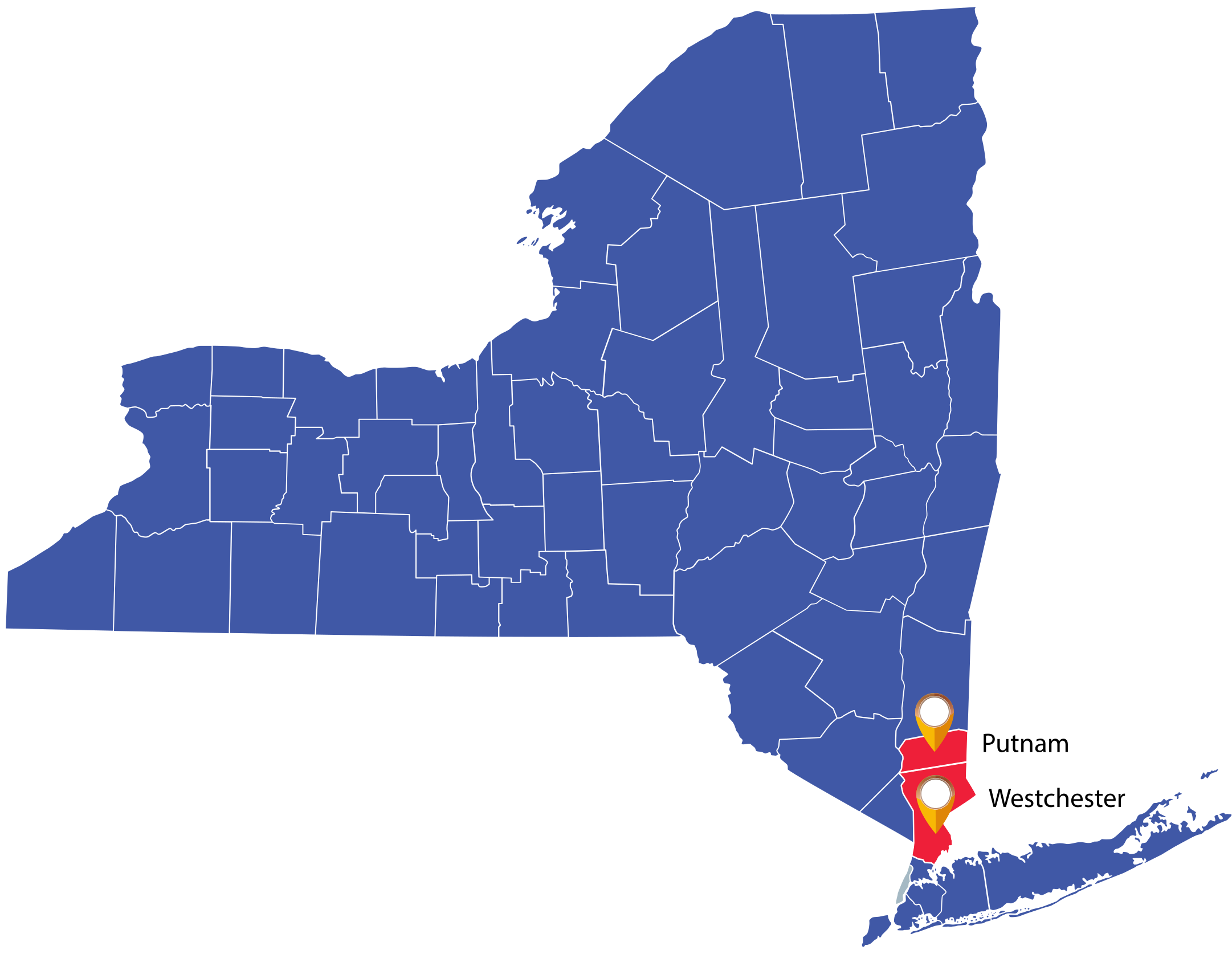
Bleakley Plumbing serves Westchester County and surrounding communities from Somers. Yorktown Heights homeowners, commercial property owners, and facility managers can contact the company about radiant heating concerns involving boilers, hydronic distribution, and connected controls.
Radiant Heat Help In Yorktown Heights, Somers, Katonah And Bedford
Heating arrangements differ from building to building. Some properties rely on radiant flooring in selected rooms, while others distribute hydronic heat through multiple zones. The service conversation starts with your location, equipment, and the particular rooms that are not heating as expected.
- Yorktown Heights, Somers, Katonah, Bedford, and neighboring Westchester County communities
- Hydronic radiant systems connected to gas- or oil-fired boilers and other supported heating equipment
- Questions about underperforming zones, controls, circulators, manifold connections, and heating-system pressure
- Contact through the Somers office to describe the property and discuss suitable heating service
Why Radiant Heating Repair Costs Vary By Home And System
The cost and scope of radiant heating service depend on where the fault is, how the system is arranged, and what is needed to reach the affected component. A thermostat issue and a suspected concealed loop leak require very different evaluations.
Access To Manifolds
Visible and reachable manifolds are easier to inspect than equipment enclosed behind built-ins or finished walls.
One Zone Or Several
A single cold bathroom calls for a different diagnostic plan than an entire floor that has stopped heating.
Boiler Performance
Existing boiler faults, high-temperature baseboard circuits, and radiant mixing needs can complicate a heating complaint.
Loop Design And Materials
Tubing layout, system age, available records, and connections affect how a suspected loop issue can be evaluated.
Controls And Wiring
Multiple thermostats, actuators, zone valves, sensors, and control panels can take time to trace properly.
Finished Floor Access
Tile, wood, concrete, and other floor assemblies influence how concealed piping can be investigated if needed.
Air And Pressure Problems
Recurring air, unexplained pressure loss, and expansion or fill concerns can require more than a simple reset.
Past Repairs And Changes
Added zones, boiler replacements, and incomplete system records can affect diagnosis and recommendations.
Diagnosing Radiant Heat Without Guessing At Hidden Piping
A radiant heating complaint often involves finished bathrooms, kitchens, living spaces, or commercial interiors. Because tubing may be concealed beneath tile, wood, or concrete, responsible troubleshooting begins with equipment and controls that can be inspected without opening the floor.
Bleakley emphasizes clean work, thorough diagnostic evaluation, and straightforward explanations. If the symptoms point toward a concealed problem, the discussion should include what is known, what remains uncertain, and which testing or access decisions would come next.
- Start with the reported cold spots, thermostat behavior, boiler operation, and accessible manifold locations
- Discuss findings and the proposed scope before adjustments, component repairs, or further testing
- Pay attention to visible leakage, unsafe boiler behavior, pressure changes, and equipment access
- Treat finished floors and occupied rooms carefully while checking reachable components and handling service materials
- Explain how to monitor zone performance after service, including the slower response of radiant floors
Work With A Team That Understands Boilers And Radiant Zones
A cold floor is not always a floor problem. Bleakley Plumbing works with hydronic heating, boilers, and radiant systems, so the evaluation can consider the connections between heat production, circulation, and room-level control rather than treating each component in isolation.
What Bleakley Can Evaluate
- Boiler operating response, supply temperatures, visible piping, and pressure-related symptoms
- Hydronic and radiant zones served by gas- or oil-fired heating equipment
- Circulators, accessible manifolds, zone valves, thermostats, and distribution concerns
- Reported cold spots, unusual sounds, suspected leaks, and uneven room temperatures
- Repair priorities and follow-up testing based on what the available evidence supports
What Yorktown Heights Customers Can Expect
- A conversation about the rooms affected, temperature patterns, floor construction, and system changes
- A diagnostic evaluation focused on accessible equipment, with clear limits around concealed tubing
- An explanation of what appears to be wrong and whether service, repair, or additional testing is appropriate
- Careful work practices and direct communication with homeowners and property managers
- A way to reach the Somers office at 914-276-3756 to discuss radiant heating service
Explore Heating Service And Arrange A Repair Visit
Use the official Bleakley pages to learn about the company, review heating and plumbing services, and explain what is happening with your radiant system before requesting an appointment.
Company And Contact
Radiant Heating Topics
Radiant Heating Repair Questions From Yorktown Heights Homeowners
These are common questions about cold radiant floors, troubleshooting, boiler connections, controls, suspected leaks, flooring, service decisions, and keeping heating zones comfortable.
Why is my radiant floor cold even when the thermostat is on?
A thermostat can call for heat without heated water reaching the floor. The cause may be a zone valve, actuator, circulator, air in the loop, or a temperature-control issue. Checking the accessible equipment helps identify where the heat stops moving.
Can Bleakley repair one radiant heating zone without replacing the entire system?
Sometimes, yes. If the fault is in a thermostat, valve, pump, or another serviceable component, the affected area may be repaired without replacing every zone. The right recommendation depends on testing and the condition of the equipment.
How do I know whether the boiler or radiant floor is causing the problem?
Compare the affected radiant zone with other heating areas. If the boiler supplies heat to other zones but one floor remains cold, the problem may be local to that zone. If several areas fail together, the boiler or shared circulation equipment may need attention.
Does a radiant heating floor normally take longer to warm up?
Yes. Radiant systems can respond more slowly than forced-air heating, especially when tubing is embedded in a thick floor assembly. Persistent cold spots or a room that never reaches its setting are different from normal gradual warmup.
What causes one radiant floor area to get too hot?
A thermostat, floor sensor, stuck actuator, or mixing-control issue can allow unwanted heat or an inappropriate supply temperature. Because floor materials and system designs vary, have the controls checked rather than changing valve settings at random.
Can low water pressure make radiant heat stop working?
Yes. In hydronic systems, leaks, air, or problems with fill and expansion components can affect circulation. Repeated pressure drops need investigation; simply adding water over and over does not resolve the underlying cause.
Does unexplained moisture mean there is a leak under my heated floor?
Not necessarily. Moisture can come from several sources. A pressure drop or damp spot may justify testing, but visible manifold connections, nearby plumbing, and other possible causes should be checked before assuming tubing under the floor is damaged.
Can radiant heat work with an existing gas or oil-fired boiler?
Many hydronic radiant systems are connected to boilers, including systems that also serve baseboards or radiators. Radiant circuits may require different temperature controls. Bleakley has experience with gas- and oil-fired heating and can assess the installed arrangement.
What should I do before scheduling radiant heating service?
Make a note of which rooms are cold or too warm, thermostat settings, unusual boiler noises, pressure changes, and when the issue appears. If you know where the manifold or control panel is located, keep it accessible for the visit.
Is it better to repair or replace an older radiant heating setup?
Age alone does not settle the question. A serviceable control or pump issue may call for repair, while repeated failures, poor system design, or an aging heat source can justify discussing larger changes. A diagnostic evaluation helps put those choices in context.
Request Radiant Heating Service In Yorktown Heights, NY
If a radiant floor is not warming, zones are behaving differently, or the boiler seems to run without delivering comfort, contact Russell B. Bleakley Plumbing & Heating, Inc. Describe the system and what has changed at your Yorktown Heights property so the service discussion can start with the right details.