

Water Pressure & Well Tank Service Bedford, NY
When the upstairs shower fades as another fixture opens, the gauge swings too quickly, or the pump kicks on for every small draw, the pressure problem may start at the tank, switch, well, filter, or house piping. Russell B. Bleakley Plumbing & Heating, Inc. troubleshoots Bedford private-water systems from the pressure tank and controls through the pump, buried line, treatment equipment, valves, and distribution piping, then explains which component is actually limiting reliable flow.
Who Repairs Low Water Pressure And Well Tanks In Bedford, NY?
Call Bleakley Plumbing when a Bedford well-water home has weak pressure at several fixtures, the gauge rises and falls too fast, the tank sounds waterlogged, or the pump starts during every short use. Service can include the pressure tank, switch, gauge, controls, check valve, storage or booster equipment, pump operation, filtration, valves, and the piping that delivers water through the house.
Low pressure does not automatically mean the well pump needs replacement. A depleted tank air charge, failed bladder, worn switch, partly closed valve, loaded filter, leaking underground line, poor well recovery, or undersized piping can create nearly the same complaint. Checking pressure behavior at the right points helps isolate the restriction before expensive equipment is changed.
The Town of Bedford says its four public water districts serve 2,340 households, while residents outside those systems use private wells. That makes source identification the first practical step on a Bedford pressure call, because a home in Bedford Village, Bedford Hills, Katonah, or a rural road may have a very different pressure-control setup.
What Water-Pressure Problems Look Like Before The System Fails
Choose the pattern that best matches the house. Note whether pressure drops everywhere or only during simultaneous use, how the gauge moves, how often the pump starts, and whether the change followed filter service, a power event, irrigation, or plumbing work.
Pressure Collapses Across The House
Confirm whether hot and cold fixtures both lose pressure and whether the gauge falls with them. A whole-house pressure collapse can come from the tank, switch, pump output, check valve, buried line, treatment restriction, or a limiting valve.
- Note the pressure-gauge reading before and during water use, and whether the pump starts normally as the pressure approaches the cut-in point.
- Compare one nearby fixture with an upper-floor or distant fixture and record whether the pressure drop appears only when two or more outlets run.
- Tell the technician about recent filter changes, irrigation use, plumbing alterations, power interruptions, tank noise, wet ground, or any change in how often the pump cycles.
The Pressure Tank Is One Part Of A Bedford Well-Water System
Usable pressure depends on the entire route from the well and pump through the buried service line, check valve, switch, pressure tank, treatment equipment, valves, and building piping. A restriction or control problem anywhere along that path can show up as a weak shower or slow second-floor fixture.
Bleakley Plumbing works through that pressure chain before blaming one component. The repair may involve tank precharge or replacement, a switch or gauge, a control fault, filtration restriction, leaking well line, tired pump, booster or storage equipment, a valve problem, or house piping that cannot carry enough flow under demand.
- Separate whole-house pressure loss from one weak fixture, one branch, one appliance connection, or a restriction after treatment equipment
- Watch cut-in and cut-out pressure to see whether the switch, pressure tank, and pump complete normal cycles without rapid restarts
- Check tank precharge, usable drawdown, bladder condition, corrosion, moisture, and whether tank capacity fits the household’s real demand
- Compare pressure before and after filtration when loaded cartridges, neutralizers, softeners, or partially closed bypass valves may be choking flow
- Trace pressure through valves, controls, the well line, check valve, and pump before assuming the tank is the problem
Pressure Diagnosis, Tank Service, Flow Correction, And Well-Water Support
Reliable pressure depends on stored drawdown, correct controls, adequate pump output, clear treatment equipment, and piping that can carry the required flow. These service areas cover the components that determine how steady water feels at fixtures throughout the home.
Whole-House Pressure Diagnosis
Testing gauge behavior, fixture flow, pump cycles, valves, treatment restrictions, tank drawdown, and system response when pressure falls under ordinary household demand.
Review Pressure DiagnosisWell Pump Output Checks
Pump-performance checks when the tank and controls work but pressure still cannot recover, including output, well-side restrictions, and replacement planning when needed.
See Pump & Pressure OptionsPressure Tanks & Controls
Service for waterlogged tanks, failed bladders, lost precharge, worn pressure switches, inaccurate gauges, relief components, connection leaks, and repeated short cycling.
Explore Tank & Control ServiceWell Line & Valve Checks
Evaluation of pressure loss between the wellhead and house when underground piping, check valves, fittings, shutoffs, or hidden leaks may be wasting flow before the tank.
Check Well-Line ServiceStorage & Constant Pressure
Planning for storage tanks, booster pumps, constant-pressure systems, upper floors, irrigation, large households, accessory buildings, and long water runs that need steadier delivery.
View Pressure-Boosting OptionsFiltration & Treatment Flow Checks
Pressure checks around sediment filters, iron treatment, neutralizers, softeners, UV equipment, storage, and other treatment components that can restrict flow.
Review Treatment OptionsPressure Changes Bedford Homeowners Should Catch Early
Pressure-system problems usually leave repeatable clues before the house loses dependable flow. Watch what happens during showers, laundry, irrigation, toilet refills, and filter cycles; the pattern often narrows the cause to tank drawdown, controls, pump output, treatment restriction, or piping.
Pressure Pulses At The Faucet
A rhythmic surge at several fixtures can follow short cycling, unstable tank pressure, a check-valve issue, air entering the well line, or poor recovery under demand.
The Gauge Jumps Too Quickly
A gauge that races from cut-in to cut-out can mean the tank has lost usable drawdown, the bladder has failed, precharge is wrong, or the switch is reacting to unstable pressure.
The Pump Starts For Small Draws
If the pump starts for a quick hand wash or short toilet refill, the tank may not be storing enough water between cycles and the controls deserve testing.
Showers Start Strong, Then Fade
Strong initial flow followed by a steady decline can point to limited tank drawdown, clogged treatment, a weak pump, poor well recovery, restricted piping, or demand above system capacity.
Pressure Changes After Power Events
If pressure behavior changed after an outage, generator transfer, or electrical fault, the pump controls, switch, motor circuit, or stored tank pressure may need to be checked together.
Filters Clog Faster Than Normal
A filter that loads unusually fast can cut pressure sharply and may point to changing sediment, a disturbed well, treatment media problems, or material entering through a well-side issue.
When A Bedford Water-Pressure Problem Needs Prompt Service
Complete pressure loss, a leaking tank, wet controls, continuous pump operation, or a spraying fitting deserves prompt attention. Gradual pressure decline, short cycling, and capacity upgrades can usually be diagnosed before a full outage.
Call Promptly When Pressure Becomes Unsafe Or Unusable
- Cold fixtures lose usable flow and the gauge stays near zero or never recovers after the pump should have started
- The pump runs continuously but pressure will not reach shutoff, especially if the motor sounds strained or hot
- A pressure switch or control is buzzing, sparking, repeatedly tripping, or exposed to water around the tank and piping
- The pressure tank shell, tee, gauge, relief valve, or nearby fitting is leaking enough to wet the mechanical room or floor
- Pressure disappeared after excavation, storm damage, flooding, or impact near the wellhead, buried line, controls, or outdoor equipment
Plan Improvements While The System Still Works
- The system still supplies water but short-cycles during small draws, the tank is aging, or usable drawdown has become noticeably smaller
- Second-floor showers, irrigation zones, and simultaneous fixtures regularly expose weak pressure even though individual faucets seem acceptable
- A generator or backup-power project needs the pump, pressure controls, starting load, and expected water demand considered as one system
- A guest suite, pool, irrigation expansion, or growing household may require more storage or different pressure control
- New filtration, treatment, storage, or booster equipment should be sized around available pump flow and pressure instead of becoming another bottleneck
Four Parts Of A Well-Water System That Control Household Pressure
The fixture is only the end of the pressure chain. Diagnosis follows pump output and the well line through the switch, tank, treatment, valves, and branch piping to find where flow is lost.
Pump Output & Well Supply
Pump output, available well recovery, depth, setting, drop-pipe condition, and controls determine how quickly the system can rebuild pressure after water is used.
Check Valve & Buried Supply
A leaking check valve, damaged service line, loose fitting, or well-side connection can bleed pressure away or admit air before the water ever reaches the tank.
Pressure Tank & Switch
The tank stores drawdown between pump cycles while the switch sets the start and stop points. Lost precharge, a failed bladder, or poor settings can make normal demand feel erratic.
Treatment, Valves & House Piping
Filters, softeners, neutralizers, storage tanks, boosters, shutoffs, and undersized branches can reduce fixture pressure even when the tank and well pump are operating correctly.
A Bedford Pressure-Service Visit That Measures Before Replacing
The goal is to locate pressure loss before recommending equipment by separating tank, switch, pump, well line, treatment, valve, piping, and demand problems.
Reproduce The Pressure Complaint
The visit starts with which fixtures are weak, when pressure falls, whether multiple uses trigger it, how often the pump starts, and whether filters, power, plumbing work, or seasonal demand changed.
Measure Tank And Control Behavior
The technician checks gauge response, switch operation, tank precharge and drawdown, accessible controls, valves, and treatment pressure drop before deciding whether the problem is farther toward the well.
Check Supply From The Well
When pressure equipment tests normally but flow still falls short, the next checks focus on pump output, well recovery, check-valve behavior, buried piping, accessible wellhead conditions, and system demand.
Repair The Cause And Retest
After approved work, the system is cycled from cut-in to cut-out, checked for leaks, flushed when needed, and tested at several fixtures under normal household demand.
Long Water Runs, Elevation, Treatment, And Large Lots Change Bedford Pressure
Bedford includes Bedford Village, Bedford Hills, and Katonah, with a mix of public water districts and private-well properties. On larger or lower-density lots, the distance between the well, pressure tank, treatment equipment, and the farthest fixtures can make elevation and pipe length part of the pressure diagnosis instead of background details.
Conditions vary around Route 22, Route 172, Route 117, Bedford Center Road, and the wooded roads between the hamlets. Long driveways, stone walls, mature landscaping, sloped sites, finished basements, and remote wellheads can affect where pressure is measured, how buried-line losses are traced, and how replacement tank or pump equipment reaches the work area.
- Keep the pressure tank, switch, gauge, main shutoff, filters, and wellhead accessible so readings can be taken without disturbing finished areas
- Long buried service runs add friction and hide leaks, so pressure loss should be compared at the tank and farther into the house
- Elevation between the well, mechanical room, and upper floors changes how much pressure remains available when several fixtures are running
- Irrigation, pools, accessory buildings, and simultaneous use can expose a pressure system that works only at low demand
- Winter outages, frozen exterior conditions, narrow access, and mature landscaping can affect both pressure symptoms and the way equipment is serviced safely
Bedford Pressure-Tank Help From Bleakley’s Somers Office
Bleakley Plumbing’s Route 202 office serves Bedford within its Northern Westchester coverage. Pressure complaints often cross several systems, so the same visit may involve a pressure tank, well pump, switch, filtration, storage, booster equipment, valves, or house piping rather than one isolated component.
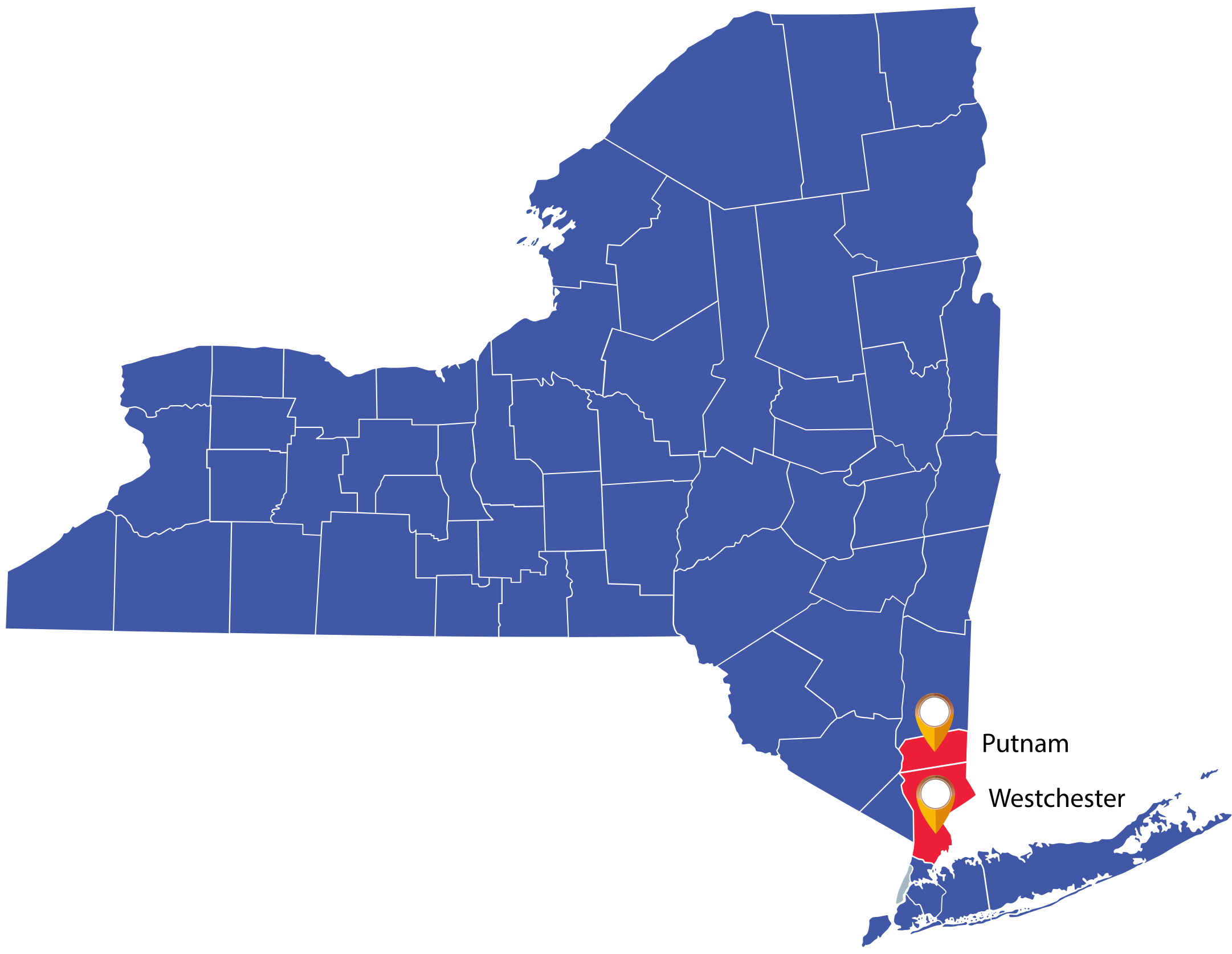
Pressure-System Service Across Bedford And Nearby Communities
Bedford connects easily with Bedford Hills, Katonah, Mount Kisco, Pound Ridge, Armonk, Chappaqua, North Salem, and Somers, placing pressure-tank and private-water calls within Bleakley’s broader Northern Westchester service pattern.
- Bedford, Bedford Hills, Katonah, Mount Kisco, Pound Ridge, Armonk, Chappaqua, and other nearby Westchester communities
- Appointments for low-pressure diagnosis, pressure-tank replacement, switches, gauges, controls, pump checks, storage, and booster equipment
- Support for filtration restrictions, storage, booster systems, water treatment, buried lines, and house-side flow problems
- Provide the street address, gauge behavior, when pressure drops, and any known tank or pump information so the office can match the call with current coverage
Eight Bedford Details That Matter Before A Pressure Tank Is Changed
Two Bedford homes can feel equally weak at the shower for entirely different reasons. These details help determine whether the real issue is storage, control settings, pump capacity, treatment restriction, piping friction, elevation, demand, or a hidden leak.
Pump Capacity & Well Recovery
Available pump output and well recovery determine how quickly the pressure tank can refill after heavy use and whether pressure falls during sustained demand.
Household Peak Demand
Showers, laundry, irrigation, tubs, and simultaneous fixtures create the real peak demand that the pump, tank, and piping must support together.
Tank Drawdown Capacity
Usable drawdown determines how much water can leave the tank before the pump restarts. Too little drawdown creates frequent cycling and uneven pressure.
Service-Line Friction
Long underground lines add friction and more possible leak points between the well and tank, especially on larger Bedford properties with remote wellheads.
Elevation & Upper Floors
Elevation consumes available pressure, so second floors and distant fixtures can expose a system that looks acceptable at a basement gauge under light use.
Filter Pressure Drop
Loaded cartridges, neutralizer media, softeners, iron filters, and partially closed bypass valves can create a major pressure drop after the tank.
Mechanical-Room Access
Finished basements, tight utility rooms, stairs, and treatment equipment affect how safely a pressure tank, switch, or piping assembly can be serviced.
Switch Settings & Controls
Cut-in and cut-out settings, switch condition, controls, generator operation, and electrical reliability all affect pressure-system cycling.
Pressure-Tank Work Should Protect The Basement, Piping, And Water System
Pressure-tank and control work often happens beside filters, boilers, electrical equipment, finished walls, storage, and the main water line. The route for the old tank, new equipment, drained water, fittings, and tools should be planned before piping is opened or pressure is released.
Before equipment moves through the home, the crew can plan clean access, shoe covers, protected walking surfaces, drainage, and a defined job price. That preparation matters when the pressure tank is behind treatment equipment, down a finished stair, near a boiler, or inside a crowded mechanical room.
- Clear a safe route to the pressure tank and controls while protecting finished floors, stairs, stored items, utility equipment, and nearby piping
- Expose the tank tee, switch, gauge, shutoffs, filters, bypass valves, electrical controls, and main distribution connection for accurate testing
- Manage drained water, old tank components, fittings, sediment, and replacement materials so finished floors, walls, and stored belongings stay protected
- Flush affected piping and treatment equipment when the repair introduces air, sediment, debris, or a change in normal water flow
- Verify stable pressure, normal tank drawdown, correct cycle length, dry connections, and acceptable flow at several fixtures before the job is closed
Pressure-System Service That Follows The Problem From Well To Fixture
A low-pressure complaint can start at the well and end at a loaded filter, tired tank, bad switch, hidden valve restriction, or undersized branch. Bleakley’s pump, pressure, treatment, and plumbing work keeps the diagnosis connected so one water problem is not split into separate guesses.
Pressure-System Work Bleakley Coordinates
- Troubleshooting for weak pressure, uneven flow, short cycling, delayed recovery, and other private-water delivery problems
- Well-pump support when testing points below ground and pump, line, cable, or fitting work is required
- Pressure tanks, switches, gauges, tank tees, controls, storage, boosters, check valves, and piping
- Filtration, sediment control, chlorination, testing coordination, and pressure checks around treatment equipment
- House-side shutoffs, service piping, leak repairs, frozen-line concerns, branch restrictions, and distribution problems after the pressure tank
What Bedford Homeowners Should Get From Pressure Service
- Pressure readings and checks that support the diagnosis before a tank, switch, pump, filter, or pipe is replaced
- A plain explanation of whether the pressure loss comes from storage, controls, pump output, well recovery, treatment, piping, or household demand
- Tank recommendations based on cut-in and cut-out pressure, drawdown, pump output, access, and property demand
- Care for finished surfaces, mechanical equipment, water discharge, treatment components, cleanup, and flushing
- Call 914-276-3756 with the Bedford address, gauge behavior, affected fixtures, and when pressure is worst
Bleakley Resources For Bedford Well Owners
Use these pages to review Bleakley’s pump and pressure capabilities, water-treatment options, company information, nearby coverage, and scheduling details before describing the system and deciding what service makes sense.
Company And Scheduling
Pressure, Pumps And Water Quality
Common Bedford Pressure-Tank & Well-Water Questions
These answers cover weak pressure, rapid cycling, pressure-tank failures, pump involvement, treatment restrictions, system testing, service preparation, and the point where tank or control replacement makes more sense than repeated adjustments.
What pressure and well-tank problems can Bleakley handle in Bedford?
Bleakley handles weak or uneven pressure, rapid cycling, waterlogged tanks, failed bladders, switch and gauge problems, pressure loss after filtration, booster or storage concerns, and well-side problems that keep the tank from recovering. Testing can extend from the well and buried line through the pressure equipment, treatment train, valves, and house piping.
Why can Bedford water pressure stay low even when the pump runs?
A running pump does not guarantee usable pressure. The well may recover slowly, the pump may be worn, the tank may have lost drawdown, a check valve or buried line may leak, or filtration and house piping may restrict flow after pressure is created. Gauge readings at different points help separate supply problems from downstream restrictions.
What does rapid cycling usually mean for a pressure tank?
Rapid cycling usually means the system is storing too little usable water between pump starts. A failed bladder, lost precharge, waterlogged tank, switch problem, leaking check valve, or undersized tank can cause it. Frequent starts add wear to the pump motor, so the tank and controls should be checked before the cycling becomes normal behavior.
How can I tell whether a Bedford filter is causing low pressure?
If the tank reaches normal pressure but fixtures downstream of treatment remain weak, a loaded cartridge, neutralizer, softener, iron filter, valve, or house-piping restriction moves higher on the list. If the gauge itself cannot build or hold pressure, the tank, switch, pump output, well recovery, check valve, or buried line deserves more attention.
Should I shut down a system that cannot build normal pressure?
Yes, if the pump is running continuously without building pressure and a dry, clearly labeled disconnect can be reached safely. Stopping the pump can limit additional wear. Do not touch wet controls or exposed wiring. Record the gauge reading, unusual sounds, leaks, and affected fixtures, then call for service instead of repeatedly restarting the equipment.
Can a pressure problem still require well-pump replacement?
Yes. If testing shows the tank, switch, treatment, valves, and piping are functioning but the pump cannot produce the required flow or pressure, pump replacement may be appropriate. Bleakley works on submersible and deep-well systems, so the plan can account for depth, pump setting, well yield, drop pipe, cable, tank sizing, demand, and wellhead access.
What information helps before a Bedford pressure-service visit?
Share which fixtures are weak, whether pressure changes when two outlets run, the gauge reading, how often the pump starts, recent filter service, power events, plumbing changes, visible leaks, and any known tank or pump age. Clear access to the pressure tank, switch, controls, filters, main valve, electrical panel, and wellhead when possible.
Does Westchester County require testing for private well water?
Yes, Westchester County requires private-well testing in specified situations including property sales, leased properties, and before water from new wells is used. Pressure-tank service is separate from those testing obligations. For a Bedford property tied to a transaction or new well, confirm the current Health Department requirements and use an appropriately certified laboratory.
Does Bleakley serve Bedford Village, Bedford Hills, and Katonah for pressure problems?
Yes. Bleakley lists Bedford, Bedford Hills, Katonah, and nearby Northern Westchester communities in its coverage. For a pressure or well-tank call, provide the address, water source, and pressure pattern so the Somers office can confirm current scheduling.
When is pressure-tank replacement more sensible than adjustment?
Tank replacement makes more sense when the bladder has failed, the shell is leaking or badly corroded, usable drawdown cannot be restored, or the existing tank is clearly mismatched to the pump and household demand. A healthy tank should not be replaced for a clogged filter, poor switch setting, well-side problem, or undersized house piping.
Need Water Pressure & Well Tank Service Bedford, NY?
Call Russell B. Bleakley Plumbing & Heating, Inc. when a Bedford well-water home has weak showers, pressure that drops under simultaneous use, rapid cycling, a waterlogged or leaking tank, switch trouble, filtration-related pressure loss, or a pump and storage system that no longer keeps up with the property’s demand.