

Water Heater Replacement & Installation Bedford Hills, NY
Replacing a water heater is not just a matter of buying another tank with the same label. Bleakley Plumbing looks at how much hot water the property uses, the available fuel or electrical setup, the space around the unit and the existing piping before recommending an installation. Options can include traditional tank, tankless, indirect, electric, gas and oil-fired water heaters.
Replacing A Water Heater Starts With How Your Property Uses Hot Water
A leaking tank, poor recovery and repeated temperature problems can all lead to replacement, but they do not automatically call for the same new unit. Bleakley reviews the existing heater and the way the household or business actually uses hot water before discussing options.
Capacity matters for a tank-style heater. Flow rate and simultaneous demand matter for tankless equipment. Indirect heaters depend on the heating setup. Fuel source, venting, electrical service and available mechanical-room space can also narrow what fits the property.
Bedford Hills properties range from compact homes to renovated houses, multifamily buildings and commercial spaces. A replacement that works well in one setting may be a poor fit in another, especially when several bathrooms, laundry equipment or long hot-water runs are involved.
Which Water Heater Problem Are You Seeing?
Choose the closest symptom to see what information helps with a replacement or installation discussion. Avoid touching wet electrical equipment, hot piping or fuel connections.
Tank Is Leaking
Water around a tank-style heater can come from a connection, valve or the tank itself. If the tank body is leaking, replacement is often the practical path, but the source should still be confirmed before a new unit is selected.
- If it is safe, stop water from reaching the unit using the appropriate shutoff and keep the area clear.
- Note whether the water is coming from the tank body, a top connection, valve or nearby piping.
- Tell Bleakley the heater type, approximate capacity if visible and whether it uses gas, oil or electricity.
A Good Replacement Fits The Property, Not Just The Old Heater Footprint
Two water heaters can occupy similar space and still perform very differently. The number of people using hot water, bathing patterns, laundry, dishwasher use and the distance to fixtures all affect what a replacement needs to handle.
Bleakley installs and replaces traditional tank, tankless, indirect, electric, gas and oil-fired water heaters. The existing setup still matters because piping, venting, controls, hot-water circulation and available service access can influence the final installation.
- Estimate normal peak use, such as showers, laundry and dishwashing that may happen close together
- Identify whether the current unit is tank, tankless or indirect and what energy source it uses
- Note slow recovery, temperature swings, recurring shutdowns, visible corrosion or leakage
- Check whether the mechanical room has limited clearance, finished walls or difficult removal access
- Mention any recirculation line, mixing valve or renovation that changed how hot water is used
Replacement Choices For Different Bedford Hills Hot Water Setups
The right equipment depends on demand, space, fuel source and the plumbing already in place. Bleakley supports several common water-heating approaches rather than forcing every property into one format.
Traditional Tank Heaters
Storage-style water heaters sized around hot-water demand, recovery needs and the existing installation area.
Explore Water Heater ServicesTankless Water Heaters
On-demand equipment considered around flow needs, energy source, venting and simultaneous fixture use.
Discuss Tankless OptionsIndirect Water Heaters
Hot-water storage connected to a compatible boiler setup, with performance tied to the heating system.
Review Installation OptionsElectric Water Heaters
Electric units reviewed against electrical capacity, location, household demand and existing connections.
See Bleakley ServicesGas Water Heaters
Gas-fired replacements planned around fuel supply, venting, combustion requirements and hot-water use.
Ask About Gas UnitsOil-Fired Water Heaters
Oil-fired hot water options for properties where that fuel source is already part of the mechanical setup.
Plan A ReplacementSix Water Heater Changes Bedford Hills Property Owners Notice
One symptom does not automatically mean the heater must be replaced. A pattern of leakage, poor recovery or repeated problems gives the technician a better basis for comparing repair with replacement.
The Tank Body Is Wet
Moisture coming from the tank itself can be different from a loose connection or valve leak and should be checked promptly.
Recovery Has Become Too Slow
If normal showers or laundry now leave the property without hot water, capacity or heater performance may no longer match demand.
Temperature Swings More Often
Water that shifts from hot to lukewarm can involve controls, mixing components, scale or the heater itself.
Repairs Keep Repeating
Several service calls for an aging unit can make a replacement discussion more practical than another isolated fix.
New Popping Or Rumbling Sounds
Changes in sound can be associated with sediment, heating components or operating conditions that deserve evaluation.
Space Or Household Use Has Changed
An added bathroom, larger family or remodeled space can make the old water-heating arrangement a poor match for current demand.
Stop Active Leaks And Safety Concerns First, Then Compare Replacement Options
A tank releasing water, a gas odor or an electrical safety concern needs immediate attention. A working heater with slow recovery, rising repair needs or an upcoming renovation can usually be evaluated as planned replacement work.
Get Help Promptly If
- Water is actively escaping from the heater and spreading into a finished room or near electrical equipment
- You smell gas near a gas-fired heater: leave the property and contact the gas utility or emergency services from a safe location
- An electrical heater or connection shows signs of burning, arcing or water contact near powered equipment
- A relief connection is releasing water continuously or the unit is behaving in a way that appears unsafe
- The property has completely lost hot water and the heater is repeatedly shutting down
Book A Planned Visit For
- Comparing tank, tankless or indirect options before the existing heater fails
- Sizing a replacement for more bathrooms, higher occupancy or changed hot-water use
- Reviewing a heater that still works but has slow recovery or recurring service needs
- Planning around a kitchen, bathroom or mechanical-room renovation
- Discussing a change in fuel source or water-heating method with the existing property setup in mind
Four Details That Matter When Choosing A New Water Heater
The heater itself is only part of the installation. Demand, energy source, piping and location all shape how well the replacement will serve the property once it is in daily use.
Capacity And Demand
Storage volume or tankless flow needs should reflect real fixture use rather than simply copying the old equipment size.
Energy Source And Venting
Gas, oil and electric equipment have different installation needs, while some units also depend on appropriate venting.
Piping, Valves And Circulation
Existing hot and cold connections, mixing components and recirculation can affect how the new heater integrates with the property.
Location And Service Access
Mechanical-room clearance, removal path and future access matter when fitting a new unit into an older or finished space.
From A Failing Heater To A New Hot Water Setup
Bleakley combines diagnostic review with straightforward recommendations. The existing heater is considered alongside household demand and installation conditions before a replacement direction is chosen.
Review The Current Problem
Share whether the issue is leakage, poor recovery, temperature changes, repeated shutdowns or a planned upgrade.
Measure The Installation Needs
The technician reviews heater type, fuel or power source, hot-water demand, piping, venting and available space.
Compare Suitable Options
Replacement choices are discussed around what the property can support and how the occupants actually use hot water.
Install And Check Operation
After installation, connections and hot-water operation are checked so the new unit is ready for normal use.
Winter Demand, Older Mechanical Rooms And Water Quality Can Shape Replacement Choices
Bedford Hills includes established homes, renovated properties, multifamily buildings and commercial spaces. Water heaters may be tucked into tight basements or mechanical rooms where removal access, venting and nearby boiler equipment affect what can be installed without unnecessary changes.
Cold-season hot-water demand can expose a heater that was already marginal for the property. Water quality also matters because mineral buildup can affect heaters and fixtures over time. Some Bedford Hills customers use the Town water district, while nearby properties may rely on private wells, so the existing supply should be part of the conversation rather than assumed.
- Older homes may have tight basements or finished areas around the water heater
- Larger households and multiple bathrooms can create concentrated morning or evening demand
- Commercial properties may need hot water on a very different schedule from a residence
- Winter incoming-water temperatures can increase the work required to deliver the same hot-water use
- Private-well or public-water conditions can affect scale, sediment and maintenance needs differently
Water Heater Replacement For Bedford Hills And Nearby Communities
Bleakley Plumbing serves Bedford Hills and surrounding Westchester communities with water heater repair, replacement and installation. Property owners can call the Somers office to discuss the current heater, energy source and the hot-water problem they are trying to solve.
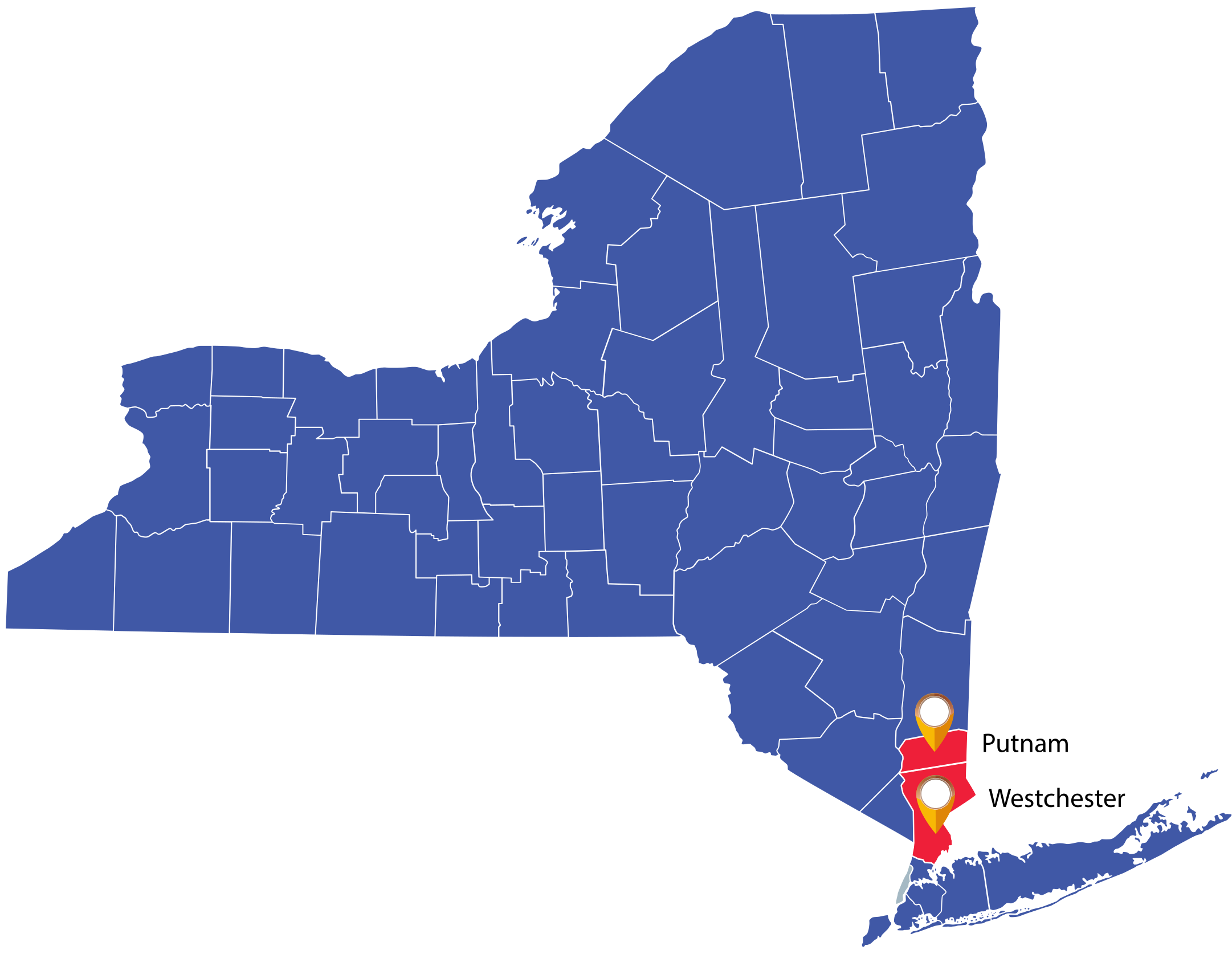
Bedford Hills, Katonah, Somers, Yorktown Heights And Surrounding Areas
Hot-water needs vary by property size, occupancy, equipment type and the way bathrooms, kitchens and laundry are used.
- Water heater replacement for homes, businesses and managed properties
- Tank, tankless and indirect options based on the existing setup and demand
- Electric, gas and oil-fired water heater installations where appropriate for the property
- Call the Somers office with your address, heater type and current hot-water problem
Eight Details That Can Change A Water Heater Installation
The total work depends on the heater selected and what the property already provides. These factors affect equipment choice, installation steps and how much of the surrounding setup needs attention.
Hot Water Demand
The number of users, bathrooms and simultaneous fixtures helps determine capacity or flow needs.
Heater Type
Tank, tankless and indirect units fit properties differently and do not share identical installation requirements.
Fuel Or Power Source
Gas, oil and electric equipment depend on the utilities and connections available at the property.
Venting Needs
Certain fuel-fired heaters require venting that must suit the selected equipment and building layout.
Piping Changes
Connection locations, mixing valves, recirculation and older piping can change how the new unit ties in.
Water Quality
Scale, sediment and water chemistry can influence equipment condition and future maintenance needs.
Removal Access
Stairs, narrow doors and finished mechanical rooms can make getting the old unit out and the new unit in more involved.
Existing Equipment
Boilers, pumps and other nearby mechanical systems can affect available space and the best installation arrangement.
A Replacement Project Should Protect The Rest Of Your Bedford Hills Property
Water heaters often sit in basements, utility closets or mechanical rooms close to stored items and finished surfaces. A clear path for removing the old unit and bringing in the replacement helps keep the work organized.
Bleakley describes its approach as professional, clean and transparent. Property owners should know which water, fuel or electrical connections will be shut down, what area needs to stay clear and how the new heater will be checked before normal use resumes.
- Clear a safe path from the entry to the heater location before the appointment
- Point out finished floors, walls or stored items that need extra care during removal
- Share any known shutoff, venting or electrical issues around the existing heater
- Ask which fixtures will be without hot water during the installation
- Review normal temperature, recovery and visible connections once the new heater is operating
One Plumbing And Heating Team For The Heater And The Connections Around It
Bleakley is a full-service plumbing and heating contractor serving Westchester County. Its water-heater work includes traditional tank, tankless, indirect, electric, gas and oil-fired options, giving property owners room to compare replacements around the setup they actually have.
Water Heater Work The Team Handles
- Replacement of leaking or failing storage-tank water heaters
- Tankless and on-demand water heater installation for suitable properties
- Indirect water heater replacement when it works with the boiler setup
- Electric, gas and oil-fired units based on the property utilities and installation conditions
- Related valves, piping and hot-water circulation components that affect the installation
Questions To Ask Before Choosing A Unit
- How much hot water does this property actually need during peak use?
- Which heater types fit the existing energy source, venting and mechanical-room space?
- Will any piping, valves or circulation components need to change with the new unit?
- What maintenance should I plan for based on the heater type and local water conditions?
- What information about the current heater should I have ready when I contact Bleakley?
Use The Approved Bleakley Pages To Plan Your Bedford Hills Replacement
These links take you to Bleakley company information, the main services page and the contact page for a water heater replacement or installation request.
Company And Contact
Plan A Replacement
Questions To Ask Before Replacing Or Installing A Water Heater
The best choice depends on hot-water demand, equipment type and the utilities already available. These answers cover common decisions Bedford Hills property owners face.
What water heater types does Bleakley install?
Bleakley works with traditional tank, tankless, indirect, electric, gas and oil-fired water heaters. The practical options for your property depend on demand and the existing setup.
How do I know if I need replacement instead of repair?
A leaking tank body, repeated failures, poor recovery or a unit that no longer fits the property demand can make replacement worth discussing. A diagnosis should come before the final decision.
Can I replace a tank water heater with a tankless unit?
Sometimes. Tankless equipment needs to be matched to flow demand and the available gas, electrical, venting and plumbing conditions. Bleakley can review whether the property is a practical fit.
What is an indirect water heater?
An indirect water heater uses a compatible boiler as the heat source for stored domestic hot water. It makes the most sense when the heating setup and hot-water demand support that arrangement.
Why does my hot water run out faster than it used to?
The cause can involve demand, controls, sediment, heating components or declining heater performance. Comparing the change with normal household use helps determine whether repair or replacement is appropriate.
Does water quality matter when choosing a new heater?
Yes. Scale, sediment and water chemistry can affect heaters over time. The existing water source and any treatment equipment should be considered when planning the new installation.
Can Bleakley replace gas, oil-fired and electric water heaters?
Yes. Bleakley lists water heater work for electric, gas and oil-fired equipment, along with tank, tankless and indirect options.
Should I size the new heater exactly like the old one?
Not automatically. The old unit may have been oversized, undersized or chosen before the household changed. Current hot-water use should guide the replacement discussion.
What should I do if the water heater is actively leaking?
Keep people away from wet electrical equipment and stop water to the unit only if you can do so safely. Call for service and describe where the leak appears to be coming from.
What information helps Bleakley plan a replacement visit?
Share the current heater type, fuel or power source, visible model or capacity information, the problem you are having and any space or access limits around the unit.
Need Water Heater Replacement In Bedford Hills, NY?
If your current water heater is leaking, recovering too slowly or no longer fits the way your property uses hot water, contact Russell B. Bleakley Plumbing & Heating, Inc. The team can review the existing setup and discuss tank, tankless, indirect and other supported replacement options.