Heating & Plumbing Fall Inspection Brewster, NY
Before Brewster temperatures stay below freezing, a fall inspection can catch the boiler, piping, pressure, outdoor faucet, well-system, and hot-water problems that turn into winter disruptions. Russell B. Bleakley Plumbing & Heating, Inc. reviews accessible heating and plumbing components, explains the findings clearly, and helps homeowners or property managers prioritize the right pre-winter work.
What Does A Fall Heating And Plumbing Inspection Include In Brewster, NY?
A fall inspection checks boiler startup and operating response, circulators, zone valves, system pressure, visible leaks, exposed piping, shutoffs, water-heater conditions, well or pressure equipment, outdoor spigots, and pipe locations that may be vulnerable to freezing.
For homes with wells or hard water, the review should also consider pressure behavior, filters or treatment equipment, mineral buildup, and whether scale or sediment may be affecting valves, flow, heat transfer, or hot-water recovery.
The goal is not to recommend replacement automatically. It is to identify immediate winter risks, explain maintenance items, separate conditions that can be monitored from work that should be completed, and give the property owner a practical plan before the first extended freeze.
Choose The Pre-Winter Symptom You Have Noticed
Select the symptom that best matches your home. The details help Bleakley focus the fall inspection on boiler performance, freeze exposure, water pressure, outdoor plumbing, hot water, or safety-related conditions.
Boiler Starts Rough
If the boiler hesitates, bangs, short-cycles, shuts down, or needs repeated resets during the first cool days, do not treat it as a normal seasonal quirk. A fall inspection can check operating response, system pressure, circulators, zone controls, visible leakage, and related piping before the heating load increases.
- Note whether the issue appears on every call for heat or only when one zone starts.
- Record noises, odors, pressure-gauge changes, error codes, or areas that stay cold.
- Keep the boiler room clear so valves, piping, controls, and service panels can be reached.
A Brewster Fall Inspection Connects Heating Performance With Plumbing Freeze Protection
In many Brewster homes, the boiler, water heater, well equipment, treatment system, shutoffs, and exposed plumbing share the same basement or utility area. A seasonal visit should look at how those systems will behave together once temperatures fall.
Bleakley Plumbing evaluates heating startup, visible piping and valve condition, circulation and zoning concerns, domestic water pressure, outdoor hose bibs, vulnerable pipe runs, hot-water equipment, and well-related components that may affect winter reliability.
- Boiler startup reviewed for operating response, pressure stability, circulation, zone control, visible leaks, and unusual noise
- Exposed domestic and heating pipes checked for corrosion, seepage, weak insulation, and freeze-prone locations
- Outdoor hose bibs, interior shutoffs, and drain-down points reviewed for practical winterization
- Well, pressure-tank, filter, and hard-water conditions considered when pressure or mineral buildup may affect equipment
- Homeowner receives a clear explanation of immediate repairs, maintenance items, and conditions that can be monitored
What Bleakley Reviews During A Brewster Heating And Plumbing Fall Inspection
The exact scope depends on the home’s systems and access, but a useful fall inspection should cover the equipment and pipe locations most likely to create no-heat, leak, pressure, or freeze problems during winter.
Boiler Startup & Controls
Operating response, system pressure, circulators, zone valves, thermostatic calls, visible leaks, and unusual startup noise.
Review ServicesHydronic, Steam & Radiant Heat
Distribution piping, baseboard or radiator response, steam-related symptoms, radiant zones, air or circulation concerns, and uneven heat.
Review ServicesFreeze-Prone Plumbing
Exposed supply lines, crawl spaces, garages, exterior walls, utility rooms, shutoffs, insulation gaps, and prior freeze locations.
Review ServicesOutdoor Spigots & Shutoffs
Hose bib condition, interior isolation valves, drain-down access, leaking vacuum-breaker areas, and winterization readiness.
Review ServicesWell, Pressure & Water Quality
Pressure-tank behavior, pump cycling, filters, treatment equipment, sediment, hardness, and mineral buildup that can affect valves or flow.
Review ServicesHot Water & Mechanical Room
Water-heater condition, visible piping, valves, leaks, recovery concerns, drainage, access, and interaction with nearby heating equipment.
Review ServicesProblems Brewster Homeowners Should Address Before The First Hard Freeze
Fall is the right time to investigate small symptoms while the system can still be tested without the pressure of a mid-winter breakdown. These warning signs often point to maintenance, repair, or freeze-protection work.
Boiler Needs Repeated Resets
A boiler that locks out, hesitates, or needs frequent resets may have a control, pressure, circulation, fuel, or service issue that should be diagnosed.
Uneven Or Slow Heat
Cold rooms, slow baseboard response, noisy radiators, or a zone that never satisfies can indicate circulation, air, valve, control, or distribution problems.
Pressure Gauge Keeps Moving
Pressure that drops, climbs excessively, or changes with every cycle can point to leakage, fill, expansion, air, or control concerns.
White Scale Or Rust Staining
Mineral deposits, corrosion, sediment, or hard-water staining around valves and fittings can signal seepage or water-quality stress on components.
Outdoor Faucet Will Not Shut Off
A dripping hose bib, failed interior shutoff, or trapped hose connection can leave exterior plumbing vulnerable when temperatures fall.
Cold Drafts Around Pipe Runs
Pipes near crawl spaces, garages, rim joists, exterior walls, and utility penetrations need protection where cold air can reach them.
Which Fall Inspection Findings Need Prompt Attention Before Winter?
The priority is simple: fix conditions that can stop heat, release water, create a safety concern, or leave piping exposed to freezing. Lower-risk maintenance can be scheduled, but it should still be documented before cold weather.
Address Before Cold Weather
- The boiler is leaking, shutting down, short-cycling, losing pressure, or failing to heat one or more zones
- An outdoor spigot or interior isolation valve will not close, drain, or hold without leaking
- Exposed piping has active seepage, severe corrosion, damaged insulation, or a history of freezing
- A well pump or pressure tank is short-cycling, losing pressure, or behaving unpredictably
- Gas or oil odors, damaged fuel piping, venting concerns, or unsafe equipment conditions are observed
Schedule Seasonal Maintenance
- The system runs but needs cleaning, adjustment, air removal, filter service, or a closer look at efficiency loss
- Hard-water scale, sediment, or treatment issues are beginning to affect fixtures, valves, hot water, or pressure
- Drafty utility areas need insulation planning or pipe protection before sustained freezing temperatures
- Boiler, hydronic, radiant, baseboard, or steam components are aging but operating consistently
- The homeowner wants documented priorities for repairs, upgrades, or replacement planning after the heating season
A Fall Inspection Should Follow The Entire Path From Heat Source To Exposed Plumbing
A Brewster home may feel warm during a short test even when a weak valve, unstable pressure, mineral buildup, air-bound zone, or vulnerable pipe location is waiting to cause trouble. The inspection should connect the symptom to the system, not stop at the thermostat.
Boiler Pressure & Circulation
System pressure, circulators, zone valves, visible piping, expansion-related symptoms, and heat distribution should work together without leaks or erratic cycling.
Domestic Water & Hot Water
Supply pressure, shutoffs, water-heater condition, visible corrosion, recovery concerns, and nearby piping should be reviewed before winter demand increases.
Well Water & Hard-Water Effects
Pump cycling, pressure-tank behavior, filters, treatment equipment, sediment, and mineral scale can affect flow, valves, and heat-transfer surfaces.
Exterior & Vulnerable Piping
Hose bibs, garages, crawl spaces, rim joists, exterior walls, and other cold-exposed runs need working shutoffs, drainage, and practical freeze protection.
What To Expect During A Brewster Heating And Plumbing Fall Inspection
The visit should leave you with a usable winter-readiness plan: what was checked, what is operating normally, what needs service now, and what can be monitored or scheduled.
Discuss System History
Bleakley asks about last season’s heating performance, prior freeze locations, boiler resets, pressure changes, water quality, pump cycling, and any recent repairs.
Inspect And Operate The Systems
The technician reviews accessible heating equipment, controls, piping, valves, pressure, circulation, hot-water components, well-related equipment, shutoffs, and vulnerable plumbing areas.
Explain Findings And Priorities
Immediate winter risks are separated from routine maintenance and longer-term planning, with clear explanations instead of automatic replacement recommendations.
Verify Readiness And Next Steps
After approved service is completed, operation is rechecked and the homeowner is told what to watch for as temperatures fall and the heating load increases.
Cold Putnam County Winters Put Extra Demand On Older Heating And Plumbing Systems
Brewster-area homes can combine older boiler piping, hydronic baseboard or steam heat, drafty utility spaces, well-water equipment, and later plumbing updates. Once sustained cold arrives, small circulation, pressure, insulation, or valve problems become harder to ignore.
Well water and hard-water mineral buildup can add another layer. Scale, sediment, and filter restrictions may affect flow, valve movement, hot-water recovery, and heat-transfer surfaces. A fall inspection should consider those conditions rather than treating the boiler and domestic plumbing as unrelated systems.
- Drafty basements, crawl spaces, garages, and exterior-wall pipe runs can expose plumbing to freezing air
- Older hydronic, steam, baseboard, or radiant systems may need seasonal startup checks after months of limited operation
- Private wells and pressure tanks can create cycling or pressure symptoms that should be resolved before winter
- Outdoor hose bibs need working interior shutoffs, hose removal, and proper drain-down where the setup allows it
- Boilers, water heaters, filters, pumps, and shutoffs often share tight mechanical areas that need clear service access
Brewster Fall Inspection Service Across Putnam And Northern Westchester Counties
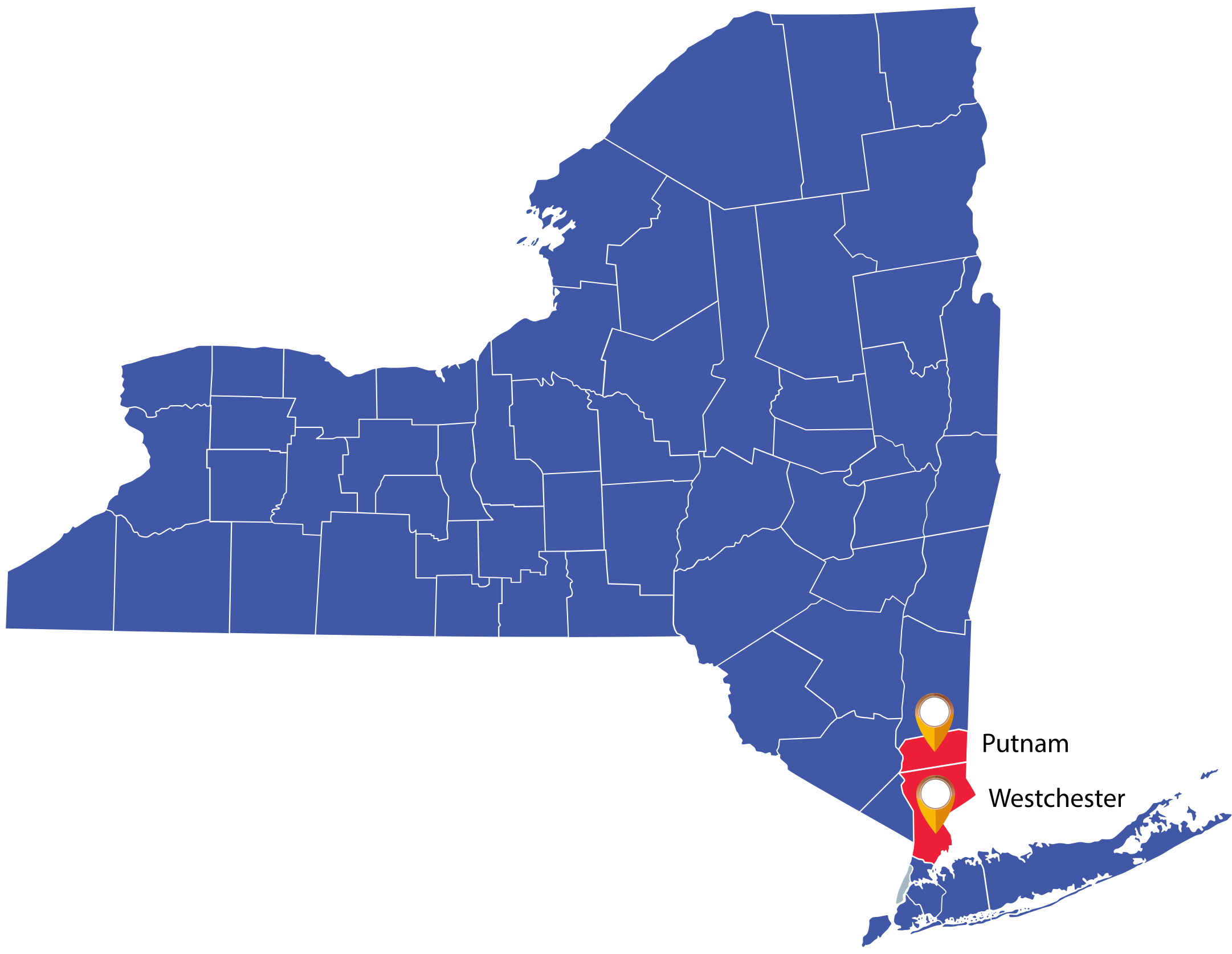
Bleakley Plumbing serves homeowners and property managers across Putnam and Westchester Counties. That regional experience matters when a Brewster property combines boiler heat, domestic plumbing, well equipment, water treatment, and freeze-prone pipe locations.
Serving Brewster, Carmel, Somers, Katonah, And Nearby Communities
Brewster sits within the cold-weather service area Bleakley covers from its Somers office, with fall inspection needs that often involve boiler startup, well-related plumbing, outdoor spigots, and older mechanical rooms.
- Brewster, Carmel, Somers, Katonah, and nearby Putnam and Westchester County communities
- Fall heating inspections for hydronic, steam, radiant, gas, and oil-fired systems
- Pre-winter plumbing checks for exposed piping, hose bibs, shutoffs, hot water, wells, and pressure equipment
- Scheduling through the Somers office for homeowners and property managers planning before winter
Fall Inspection Priorities That Vary From One Brewster Home To The Next
The right scope depends on the heating system, water source, pipe exposure, equipment age, maintenance history, and how the property is used through winter.
Heating System Type
Hydronic, steam, radiant, gas, and oil-fired systems have different startup checks, controls, distribution parts, and warning signs.
Older Home Heat Loss
Drafty rooms and uneven loads can make a marginal zone, circulator, valve, or radiator problem more noticeable in cold weather.
Well And Pressure Equipment
Private wells, pressure tanks, filters, and pump controls should deliver steady water without short-cycling or unexplained pressure loss.
Hard-Water Buildup
Mineral scale and sediment can affect valves, strainers, fixtures, hot-water recovery, and heating-system components over time.
Pipe Exposure
Crawl spaces, garages, exterior walls, rim joists, utility penetrations, and unused rooms can place piping closer to freezing air.
Outdoor Spigot Setup
Hose removal, interior isolation, drain-down access, and valve condition determine whether an exterior faucet is ready for winter.
Mechanical Room Access
Boilers, water heaters, pumps, filters, shutoffs, and stored items need enough access for inspection and safe service.
Winter Occupancy
Vacant periods, lower thermostat settings, additions, and rarely used rooms can change freeze risk and heating demand.
Fall Maintenance Should Protect The Home Before A No-Heat Or Frozen-Pipe Event
A pre-winter inspection often takes place around finished basements, stored belongings, boiler rooms, well equipment, water heaters, and tight utility spaces. Clear access and careful work help technicians inspect the right components without creating avoidable mess or damage.
Bleakley Plumbing emphasizes thorough diagnostics, clean work areas, and transparent communication. Homeowners should understand what was observed, why a condition matters before winter, and which next step is practical.
- Access planned around boilers, water heaters, pressure tanks, filters, shutoffs, crawl spaces, and outdoor faucet piping
- Clear explanation before maintenance, repairs, insulation-related recommendations, valve work, or equipment service begins
- Attention to active leaks, pressure, circulation, fuel-piping visibility, venting condition, shutoffs, and safe work access
- Clean handling of removed parts, drained water, filter debris, insulation access, and the immediate work area
- Practical guidance on thermostat use, hose removal, shutoff locations, warning signs, and what to monitor during the first cold stretch
Choose A Fall Inspection Team That Understands Both Heating And Plumbing
Winter readiness is not just a boiler tune-up and not just a pipe check. Brewster homes often need one diagnostic view across the heat source, distribution piping, domestic water, well equipment, hot water, shutoffs, and freeze-prone locations.
What Bleakley Reviews
- Boiler startup, operating response, visible leaks, pressure stability, circulators, zone valves, controls, and distribution symptoms
- Hydronic, steam, radiant, baseboard, gas, and oil-fired system concerns common to regional homes
- Domestic plumbing, water heaters, hose bibs, shutoffs, exposed piping, prior freeze points, and mechanical-room drainage
- Well pumps, pressure tanks, filters, treatment equipment, hard-water signs, and changing water pressure
- Maintenance priorities, repair needs, and longer-term planning based on diagnostic findings rather than guesswork
What Brewster Homeowners Should Expect
- A conversation about last winter, current symptoms, system age, water source, prior freeze damage, and rooms that heat poorly
- A thorough inspection of accessible equipment and piping without claiming hidden conditions were checked when they were not
- Clear communication about what is working, what needs attention before winter, and what can be scheduled later
- Clean work areas and practical explanations suited to homeowners and property managers
- Scheduling through the Somers office at 914-276-3756 for a Brewster fall heating and plumbing inspection
Plan Your Brewster Fall Inspection With Bleakley’s Approved Pages
Use the company, services, and contact pages below to review Bleakley Plumbing, understand available plumbing and heating work, and request a pre-winter inspection.
Company And Scheduling
Fall Inspection Topics
Frequently Asked Questions About Fall Heating And Plumbing Inspections In Brewster
These answers cover timing, boiler warning signs, pipe-freeze prevention, hose bib winterization, well-water concerns, inspection scope, and what happens after findings are reviewed.
When should I schedule a fall heating and plumbing inspection in Brewster, NY?
Schedule before sustained freezing temperatures and before the heating system is under full winter load. Early fall gives time to test the boiler, review plumbing exposure, and complete approved maintenance or repairs without waiting for a breakdown.
What does Bleakley check during a fall boiler inspection?
The accessible review can include startup response, system pressure, circulators, zone valves, controls, visible piping, leaks, unusual noise, and how heat reaches baseboards, radiators, or radiant zones. The exact scope depends on the system.
What boiler warning signs should be checked before cold weather?
Repeated resets, banging or kettling sounds, pressure changes, short-cycling, leaks, cold zones, slow heat, unusual odors, or a burner that does not start consistently all deserve attention before winter demand increases.
How can a fall inspection help prevent frozen pipes?
The inspection can identify exposed or poorly protected pipe runs, weak insulation, draft paths, leaking shutoffs, outdoor faucet issues, and areas with prior freeze history. Any recommended protection should fit the actual pipe location and access.
Should outdoor hose bibs be winterized in Brewster?
Yes. Hoses should be removed, and the faucet, interior shutoff, and drain-down setup should be checked. A dripping valve or trapped water can increase freeze risk, but the correct steps depend on how the hose bib is piped.
Can well water or hard water affect heating and plumbing equipment?
Yes. Sediment, mineral scale, filter restrictions, and pressure-tank or pump issues can affect flow, valves, hot-water recovery, and some heating components. The inspection should note these conditions when they are relevant.
Does a fall inspection guarantee my boiler or pipes will not fail in winter?
No inspection can guarantee that equipment or piping will not fail later. It can identify visible conditions, operating problems, maintenance needs, and known freeze risks so you can address them before winter.
Are gas and oil-fired heating systems included in the fall review?
Bleakley has experience with gas and oil-fired heating systems. The inspection can review accessible operating and visible system conditions, while any required service should follow the specific equipment and findings.
How should I prepare for a Brewster fall inspection?
Clear access to the boiler, water heater, well or pressure equipment, filters, shutoffs, outdoor faucet piping, crawl spaces, and other areas you want reviewed. Note prior freeze locations, reset history, noises, odors, and rooms that heat poorly.
What happens if the inspection finds a problem?
Bleakley explains the finding, why it matters before winter, and whether it calls for prompt repair, routine maintenance, monitoring, or longer-term planning. Work should proceed only after the scope is clear.
Schedule A Fall Inspection In Brewster, NY
Call Russell B. Bleakley Plumbing & Heating, Inc. to review boiler startup, heating distribution, exposed plumbing, outdoor spigots, well or pressure equipment, hot-water systems, and other pre-winter risks at your Brewster property.